
New research confirms that the lower 0.25mg/kg dose of the clot-busting agent tenecteplase is appropriate for eligible stroke patients and can reduce the need for mechanical clot removal, according to late breaking science presented today at the American Stroke Association’s International Stroke Conference 2020.
Read More
Author: sh ytlk
Follow-up study suggests brain stents are safe and effective for reducing recurrent stroke risk
A brain stent appears safe and effective for reducing the risk of recurrent stroke in patients with cholesterol-clogged brain arteries, according to late breaking science presented today at the American Stroke Association’s International Stroke Conference 2020.
Read More
Fast treatment via mobile stroke unit reduced survivor disability
Treating stroke patients in specialized ambulances speeds treatment and reduces patients’ disability, according to late breaking science presented today at the American Stroke Association’s International Stroke Conference 2020.
Read More
Bundled payments have not led to ‘cherry-picking’ of patients for joint replacement surgery
A pilot program introducing bundled payments for hip and knee replacement (HKR) in Medicare patients hasn’t led hospitals to “cherry-pick” healthier patients at lower risk of complications, reports a study in the February 19, 2020 issue of The Journal of Bone & Joint Surgery.
Read More
Physics tool helps track cancer cell diversity
Cancer cells are a wily adversary. One reason the disease outfoxes many potential treatments is because of the diversity of the cancer cell population. Researchers have found this population difficult to characterize and quantify.
Read More
Brain Stent Could Cut Odds for a Second Stroke

In a new study, the self-expanding, intracranial Wingspan brain stent seems effective over the long term in reducing stroke patients’ risk of a subsequent stroke and death.
‘Stranger Things’ Sheds Light on a Rare Disorder

The disorder, called cleidocranial dysplasia (CCD), affects only about one in a million people, according to the U.S. National Institutes of Health. Caused by a mutated gene, CCD leads to abnormal bone development — most apparent in the collarbones and teeth.
Wearable ‘Brain Stimulator’ May Boost Stroke Recovery

The device, which is controlled with a smartphone, looks like a swim cap with multiple magnetic microstimulators attached. Study volunteers wore it for 40 minutes per session, and completed 20 sessions over four weeks.
Another HIV Hazard: Higher Risk for COPD
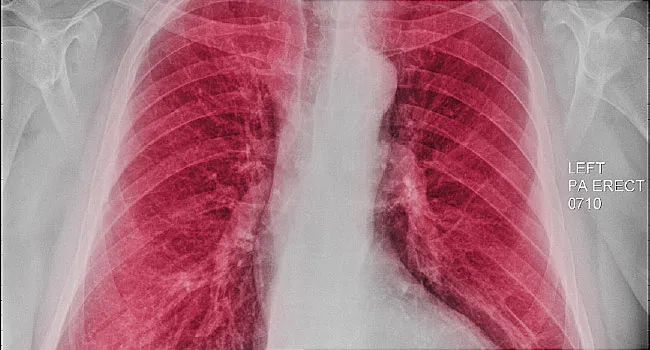
Compared to those without the AIDS-causing virus, people with HIV had a 34% higher rate of COPD and were diagnosed with the lung disease about 12 years earlier — average age 50 versus 62, the investigators found.
Want to live longer? Stay in school, study suggests
Life expectancy in the United States has been in decline for the first time in decades, and public health officials have identified a litany of potential causes, including inaccessible health care, rising drug addiction and rates of mental health disorders, and socio-economic factors. But disentangling these variables and assessing their relative impact has been difficult.
Read More
 Health Rss