
A better understanding of the lived experience of people with schizophrenia would enable clinicians to help patients live with their condition, alongside treating symptoms with medication and psychotherapy, say experts at the University of Birmingham.
Read More
Author: sh ytlk
A highly conserved protein contributes to sensing mechanical pain, study shows
Researchers at McGill University have discovered that a protein found in the membrane of our sensory neurons are involved in our capacity to feel mechanical pain, laying the foundation for the development of powerful new analgesic drugs.
Read More
Scientific breakthrough provides insights into basic mechanisms of allergic reactions
An international research team has been able to describe the overall structure of the antibody type IgE, which is the key molecule in allergic diseases.
Read More
DNA topological problems may cause lymphoma, study shows
Researchers from the Spanish National Cancer Research Centre, Madrid, and the Andalusian Molecular Biology and Regenerative Medicine Centre, Seville, published today a paper in Nature Communications that shows that DNA topological problems may cause endogenous DNA breaks that have a causal relationship with cancer.
Read More
Simple blood test could be used by GPs to aid in earlier brain tumor diagnosis
A new simple blood test for brain tumors that could be used by GPs in primary care is being developed thanks to funding of nearly £500,000 by Cancer Research UK.
Read More
Gut bacteria may predict risk of pulmonary hypertension
A team of researchers has found that the microflora of bacteria within the gut of humans could be a contributor to the development of pulmonary arterial hypertension (PAH). The study titled, “Altered Gut Microbiome Profile in Patients With Pulmonary Arterial Hypertension,” in the latest issue of the American Heart Association’s journal Hypertension.
Read More
Stroke risk and food – large European study says what to eat and what to avoid
In one of the most extensive studies, researchers have found the connection between different types of food and types of stroke risk. The study titled, “The associations of major foods and fiber with risks of ischaemic and hemorrhagic stroke: a prospective study of 418,329 participants in the EPIC cohort across nine European countries,” was published in the latest issue of the journal European Heart Journal today.
Read More
Pot Use Among Seniors Nearly Doubled in 3 Years
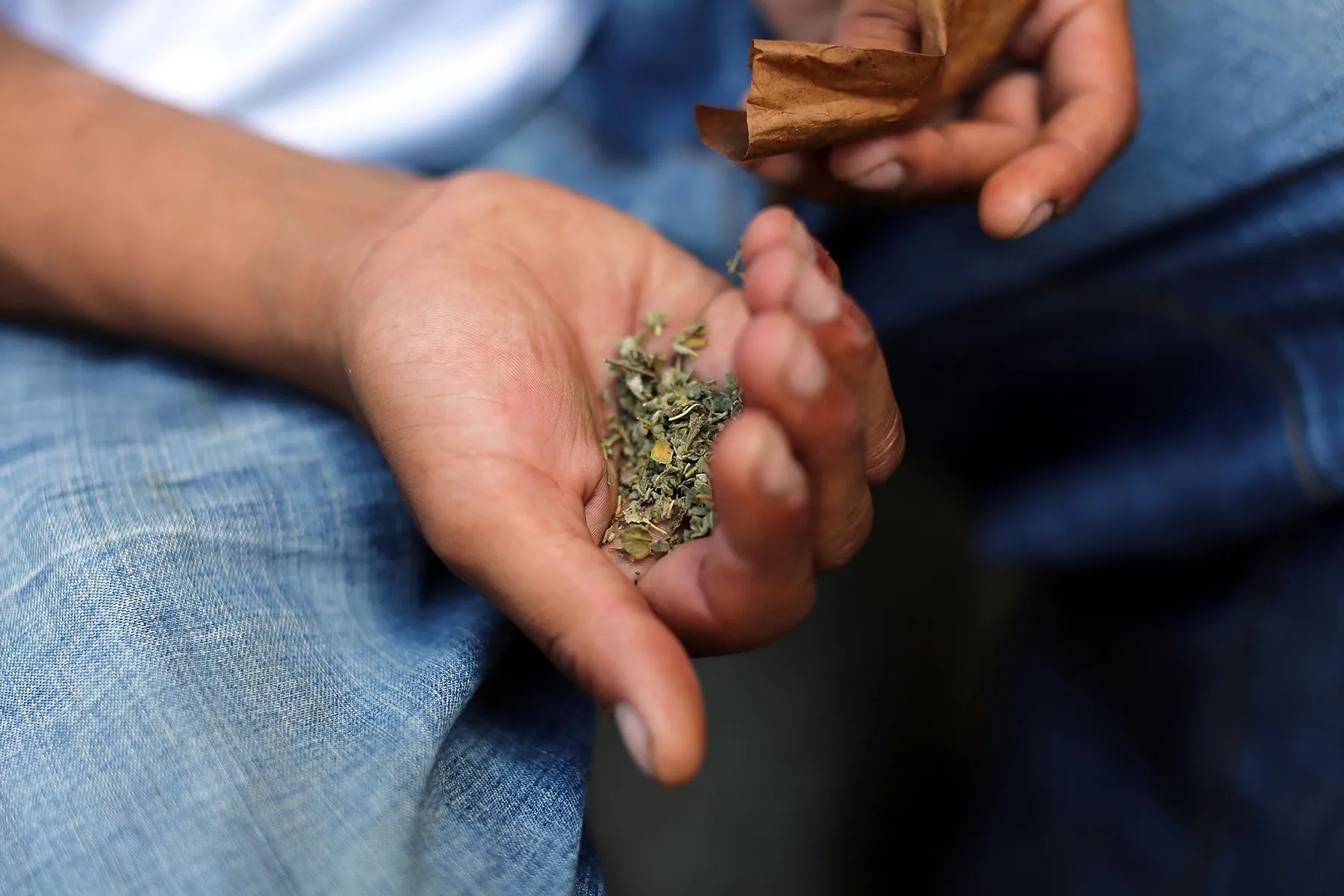
The proportion of folks 65 and older who use pot stands at 4.2%, up from 2.4% in 2015, according to figures from the U.S. National Survey on Drug Use and Health.
New tool aids patients in selecting a transplant center
A new website developed by researchers at Hennepin Healthcare Research Institute (HHRI) and the University of Minnesota (UMN) is making it easier for organ transplant candidates to choose which transplant center is right for them.
Read More
Research points the way toward a practical nutraceutical strategy for coping with RNA virus infections
In a compelling article in Progress in Cardiovascular Diseases, Mark McCarty of the Catalytic Longevity Foundation, San Diego, CA, USA, and James DiNicolantonio, PharmD, a cardiovascular research scientist at Saint Luke’s Mid America Heart Institute, Kansas City, MO, USA, propose that certain nutraceuticals may help provide relief to people infected with encapsulated RNA viruses such as influenza and coronavirus.
Read More
 Health Rss